

About
How does AI staging differ from traditional virtual staging?
Our current situation is already remarkable and will only get better. This technology could combine augmented reality and virtual reality to let you explore a staged house from the comfort of your own living room. Imagine a listing where you can click to alter the type of furniture or even view the room’s seasonal decor. If you are marketing to retirees, add comfortable chairs and neutral tones. We might witness interactive staging as artificial intelligence advances.
An ordinary picture of an empty room is the first step in the process. In just a few seconds, it can recommend different furniture styles, color schemes, and layouts. You might see bare walls, a plain floor, and a window letting in natural light. There may be a window letting in natural light, a simple floor, and bare walls. The realistic furniture and accessories are then added, and the colors and shadows are adjusted so that everything appears to belong there.
The result is a high-resolution picture that could easily be mistaken for a real, well-staged house. This image’s dimensions, lighting, and perspective are all understood by an AI tool. Some even let you personalize specific furniture items. The technology is now incredibly accessible. Ethical use of virtual staging means being clear that the furniture is not actually there. Nowadays, a lot of platforms have user-friendly interfaces where you can select a style and upload a photo.
To make the space feel perfect, you can add a different lamp, change the color of the sofa, or replace the rug. Although the original photo of the space is still the starting point, the outcome provides warmth and context, enabling people to see the potential behind the current appearance. Fundamentally, AI virtual staging uses photos of an actual space to create elegant furnishings and decor that complement the design. Virtual staging can update a listing with little work, as opposed to traditional staging, which has setup time, storage, mystrikingly and moving expenses.
In addition to labor and possible damage risks, traditional staging can cost thousands of dollars a month. For tighter budgets, it opens a door that was previously closed. Cost is the main factor. In contrast, virtual staging is much less expensive, typically costing only a few dollars per image. Why is this trend so popular? Because of this, home sellers who might otherwise completely avoid staging can now use it. It transforms staging from a bottleneck into a seamless background procedure that works in tandem with other marketing initiatives.
But as AI models improve with more data, those glitches are becoming rarer.
Contact
Properties Listed by Agent
Propiedades Destacadas
 Casa para 2 a 7 personas en Merlo SLD5881, ArgentinaALQUILER
 Casa con piscina exclusiva en Rincon del ÉsteCalle San Luis, D5881, ArgentinaALQUILER
 Cabaña Romantica ideal parejas! con hidroCortaderas, Cortaderas, D5885, ArgentinaALQUILER
 Hermosa Casa ideal para parejas! Con hidro, sauna y hogar a leña, en Merlo San LuisChumamaya, Merlo, D5881, ArgentinaALQUILER
 Hermoso Complejo de Cabañas a 12 cuadras del centro de MerloAv Eva Duarte de Peron, D5881, ArgentinaALQUILER
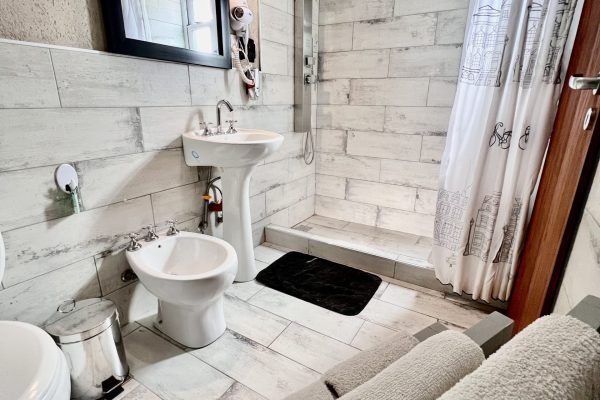 Aparts/Loft Premium en Merlo San LuisAv. dos Venados 2853, Merlo, D5881, ArgentinaALQUILER
 Cabañas en las Sierras, a 10 km de Merlo San Luis, ideal para desconectarse!Cta Los Molles, Los Molles, D5881, ArgentinaALQUILER
 Aparts en Las Sierras de Merlo San LuisCto. Pasos Malos, Merlo, D5881, ArgentinaALQUILER
 Modernos Aparts con Vista a las Sierras en Merlo San LuisMerlo, D5881, ArgentinaALQUILER
 Cabaña con hidromasaje. Especial para parejas!Cta La Granadilla, Merlo, D5881, ArgentinaALQUILER
Últimos ingresos